Wondering what is regenerative braking and why your EV slows when you lift off the pedal? It’s the motor running as a generator, turning motion into electricity that goes back into the battery instead of being lost as heat.
This guide is part of our wider coverage of electric vehicles.
| Key fact | Value |
|---|---|
| Share of braking energy a system can recapture | Around half |
| Efficiency gain from regenerative braking | 10-25% |
| Estimated EV range increase (U.S. Department of Energy) | 10 to 25% |
| Efficiency gain in stop-and-go traffic (NREL report) | Up to 20% |
| Brake service interval suggested for a Toyota combustion car | 30,000 to 35,000 miles |
| Brake servicing gap some EVs and hybrids can reach | 100,000 miles |
These figures come from Recurrent’s regenerative braking FAQ and Chase’s regenerative brakes explainer. They are estimates that can change, so check the sources before you rely on them.
How regenerative braking works
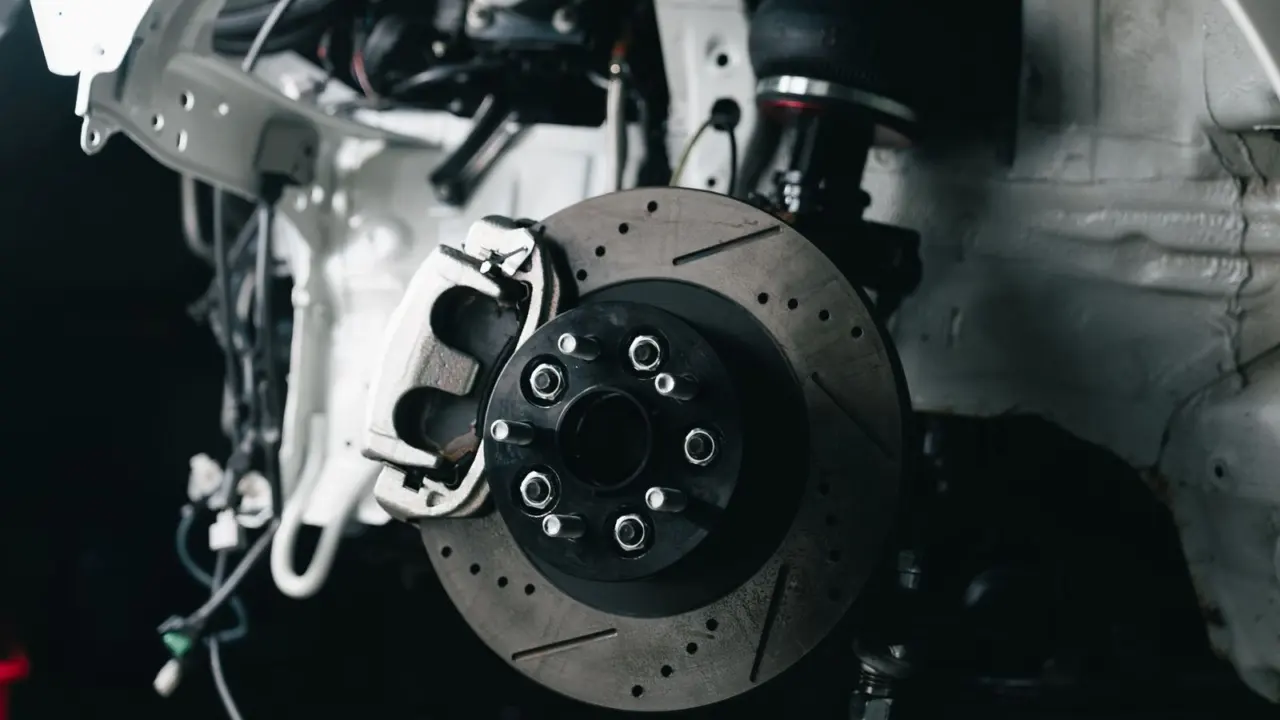
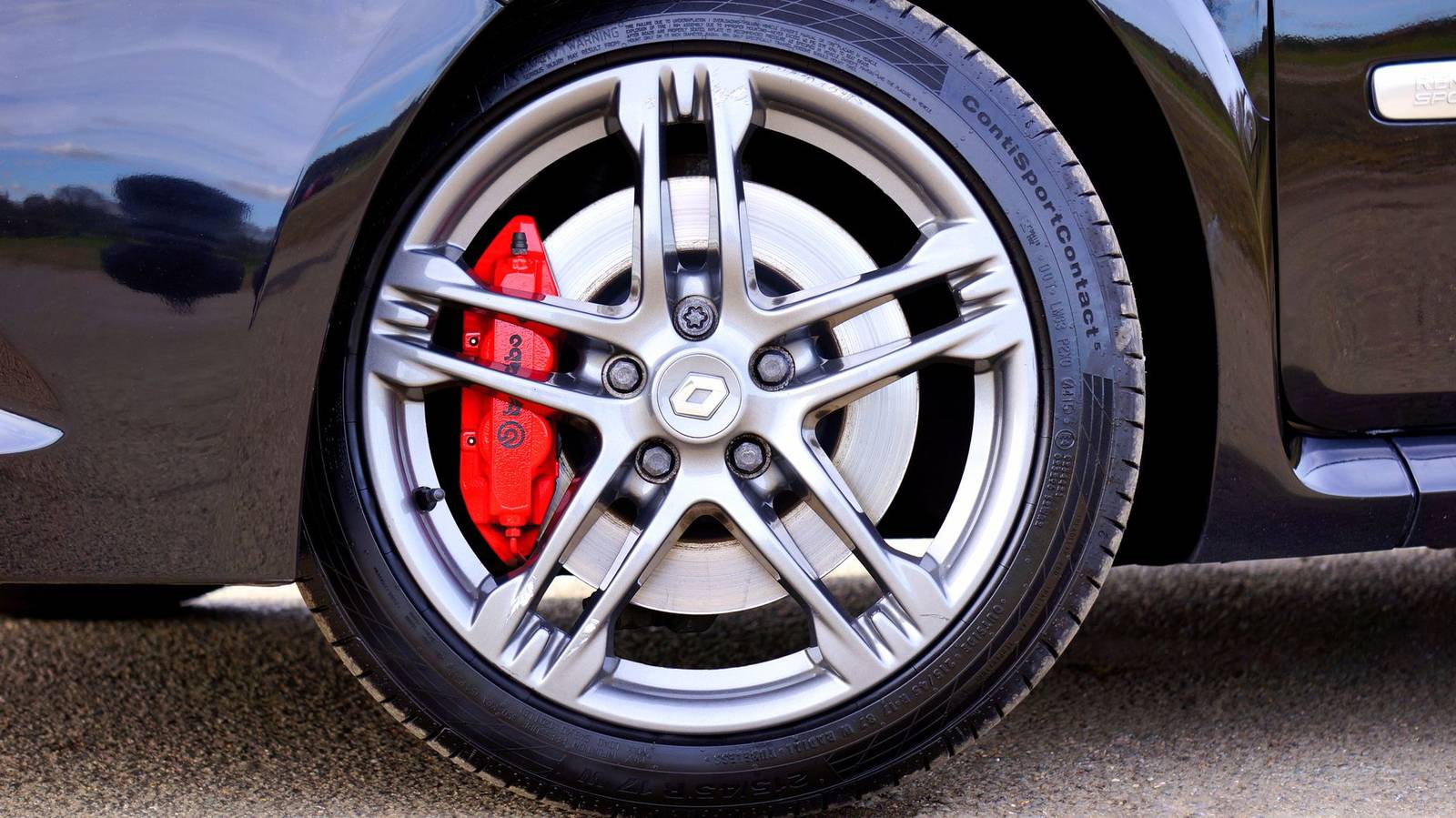
In a conventional car, brake pads press on rotors or drums to stop the vehicle. According to Recurrent, the heat caused by braking is energy that is released from the car and lost.
A regenerative system gives that energy somewhere to go. The U.S. Department of Energy’s hybrid braking animation explains that the electric motor is reversed, so instead of using electricity to turn the wheels, the rotating wheels turn the motor and create electricity. Using energy from the wheels to turn the motor slows the vehicle down.
The EVKX regeneration guide breaks the energy flow into steps:
- The rotating wheels drive the motor through the reduction gear.
- The motor produces torque opposite to the direction of rotation, slowing the vehicle.
- The inverter controls the electrical output and feeds direct current to the high-voltage system.
- The battery management system accepts as much charging power as conditions allow.
The motor does not normally spin backwards; the car keeps moving forward while the motor torque changes from propulsive to retarding. Some energy is lost in the tyres, gears, bearings, motor, inverter, wiring and battery, so the battery always receives less than the vehicle gave up (EVKX).
Hybrids use the same idea, as Mazda’s explainer notes for all-electric or hybrid powertrains. If you are comparing powertrains, our guide to the difference between hybrid and plug-in hybrid cars covers how they differ.
How much energy can regenerative braking recover?
Recurrent says regenerative braking can recapture around half of the energy that is lost when a car brakes. It translates that to a 10-25% efficiency gain.
Other estimates point the same way. Chase’s guide reports that the U.S. Department of Energy estimates a range increase of 10 to 25% for an electric vehicle. It also cites a National Renewable Energy Laboratory report saying efficiency can improve by up to 20% in stop-and-go traffic.
Treat these as ballpark numbers. Your own result depends on the car, your route and the conditions, as the section on limits below shows.
One-pedal driving and regeneration settings
Most EVs offer different settings that let you adjust how much regenerated energy you want (Recurrent). The maximum setting, often used for city driving, is called one pedal driving and stops the car entirely when you release the accelerator.
The lightest setting feels closer to a normal car. Touching the brakes increases the regeneration and slows the car, and Recurrent recommends this setting for highway driving because the effect of lifting off is less pronounced.
Names are not standardized. EVKX notes that Nissan uses e-Pedal, Kia uses i-PEDAL and Volvo uses One Pedal Drive, so check the exact model, market and software version.
At very low speed, an EV can do one of these things after you lift off:
- Stop and hold: the car automatically completes the stop and keeps the brakes applied until you press the accelerator.
- Roll: retarding torque falls away and the car can free-roll, including downhill.
- Creep: drive torque moves the car slowly forward in Drive or backward in Reverse, similar to a combustion car with an automatic transmission.
The same source says some cars let you choose. Volvo’s EX90 offers Auto, High, Low and Off settings, and Nissan’s original e-Pedal holds the car with the hydraulic brakes while the newer e-Pedal Step moves to creep, so the driver must use the brake pedal to stop.
Rules can also shape these modes. As of the EVKX page’s July 2026 update, China’s mandatory passenger-car braking standard GB 21670-2025 says the default working state must not allow accelerator release alone to decelerate the car all the way to a stop, scheduled to apply from 1 January 2027 to new type approvals. The same source says China has not banned one-pedal driving and the text does not impose a blanket ban on selectable regeneration modes (EVKX).
When regenerative braking does less
Regeneration is not always available at full strength. Chase lists several situations where the system leans harder on the friction brakes:
- Full battery: there may be nowhere to store the energy, so the system relies more on the friction brakes.
- Very cold weather: the battery may not charge as efficiently.
- Low speeds: there is less kinetic energy to capture, so the benefit is smaller.
EVKX adds that regeneration fades near zero speed, so the last part of a stop and the stationary hold do not normally recover energy. It also says the brake pedal remains necessary for stronger stops and unexpected hazards, and that regeneration never replaces the service brakes (EVKX).
When the regenerative system reaches its limit, the hydraulic braking system engages and stops the vehicle, per Recurrent. Chase also flags that these systems are more complex than traditional brakes, which can raise repair costs, and that they may be less reliable than friction brakes in emergency stops.
What it means for brake wear and upkeep
Because the motor does part of the slowing, the pads and rotors do less work. Recurrent quotes the U.S. Department of Energy: an EV typically requires minimal scheduled maintenance, and brake systems generally last longer than those on conventional vehicles because of regenerative braking.
For scale, Recurrent says Toyota suggests servicing the brakes in its ICE cars every 30,000 miles to 35,000 miles. Chase says some EVs and hybrids can go 100,000 miles between brake servicing when using regenerative braking.
Brakes are only one line in the running-cost picture. For the rest, see our guide on are electric cars cheaper to maintain for a fuller comparison.
Frequently asked questions
What is regenerative braking in simple terms?
Show answer
It is a system that captures energy as your car slows down or goes downhill and uses it to recharge the battery. Mazda’s explainer says this kinetic energy would otherwise be lost as heat.
Do EVs still have normal brakes?
Show answer
Yes. When regeneration reaches its limit, the hydraulic brakes engage (Recurrent), and EVKX says regeneration never replaces the service brakes.
Does regenerative braking work on hybrids?
Show answer
Yes. In a conventional hybrid, Chase says the recovered energy is typically used to power systems like audio and climate control.
Can you turn regenerative braking down?
Show answer
Often you can adjust it. Most EVs have different settings, and on Volvo’s EX90 you can choose Auto, High, Low or Off, according to EVKX. Check your owner’s manual for your model.