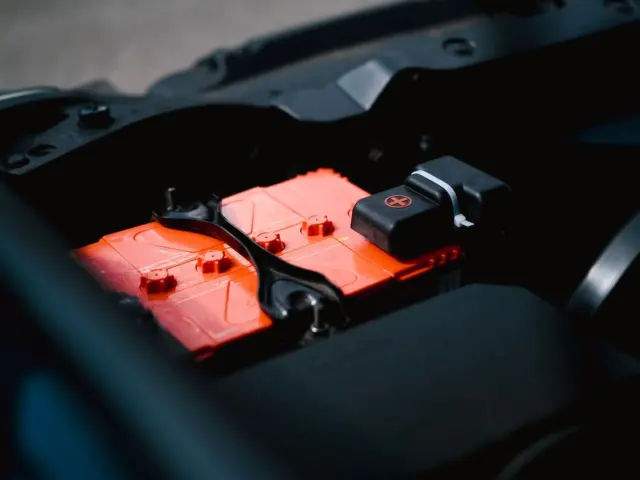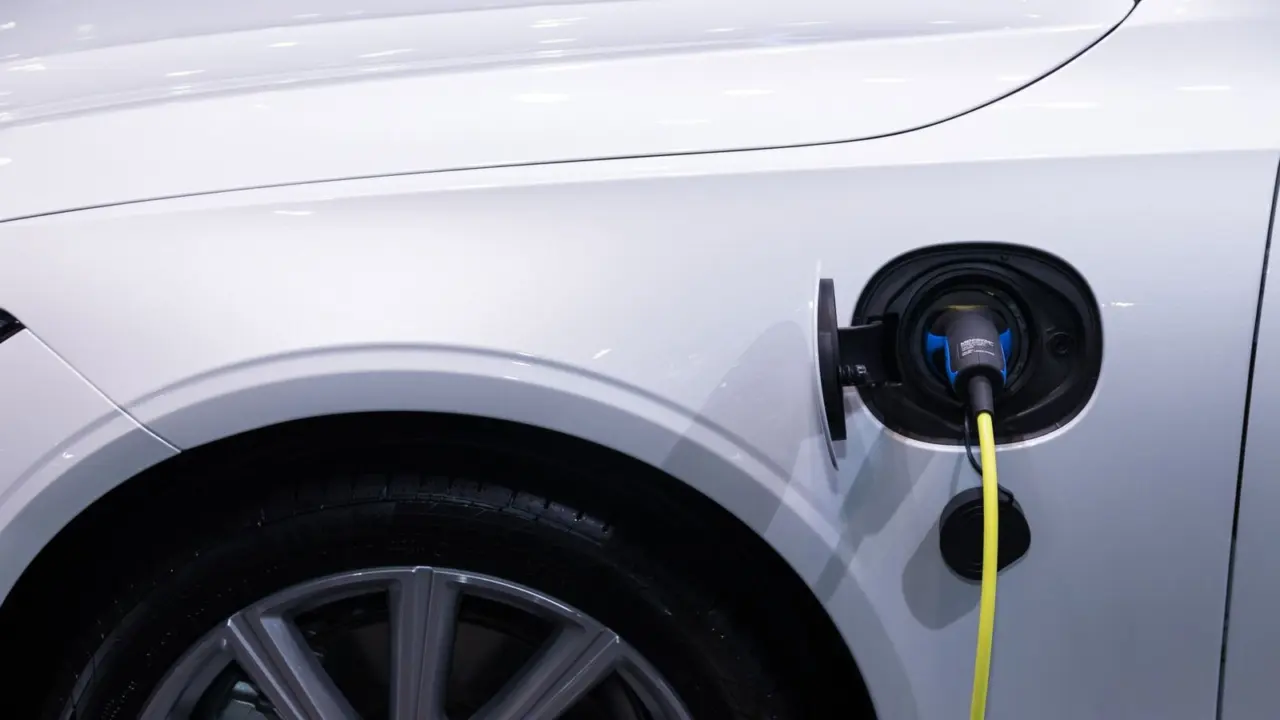
Trying to pick between electrified cars? The difference between hybrid and plug-in hybrid is simple: a hybrid can’t be plugged in, while a plug-in hybrid has a bigger battery you charge from an outlet.
This guide sits within the wider topic of electric vehicles and sorts out how each type works, charges and costs.
| Item | Value |
|---|---|
| Plug-in hybrid price premium over a comparable non-plug-in hybrid | Roughly $4 to $8 thousand more |
| Plug-in hybrid petroleum use versus conventional vehicles | Roughly 30% to 60% less |
| Plug-in hybrid electric-only range | Typically 15-60 miles |
| All-electric car range | Typically 110 to over 300 miles |
| 240-volt charging time for a plug-in hybrid | About 1 to 4 hours |
| All-electric car starting MSRP (August 2023 publication) | About $28,000 |
These figures come from fueleconomy.gov and the Alternative Fuels Data Center’s August 2023 guide. Prices, ranges and charging times change with each model, so check the source before you rely on them.
How each type of electrified car works
A conventional hybrid runs on gasoline only. According to fueleconomy.gov, it recaptures some energy during braking and stores it as electricity, but it cannot be plugged in and charged. A separate explainer answers what is regenerative braking in more detail.
Hybrid technology can still cut fuel use a lot. A Union of Concerned Scientists comparison found the 2020 Hyundai Sonata Hybrid Blue achieves a combined 52 mpg, against a combined 31 mpg for a non-hybrid version. At 12,000 miles a year, that saves over 150 gallons of gasoline.
A plug-in hybrid (PHEV) keeps the engine and motor but adds a high-capacity battery that you can charge from an outlet or charging station, as fueleconomy.gov explains. It comes in two basic layouts:
- Series (often called extended range): only the electric motor turns the wheels, and the gasoline engine just generates electricity.
- Parallel or blended: the engine and motor are both connected to the wheels and drive the car under most conditions.
A plug-in hybrid does not have to be plugged in. It can run solely on gasoline, but it will not reach its maximum range or fuel economy without charging, according to the same fueleconomy.gov page.
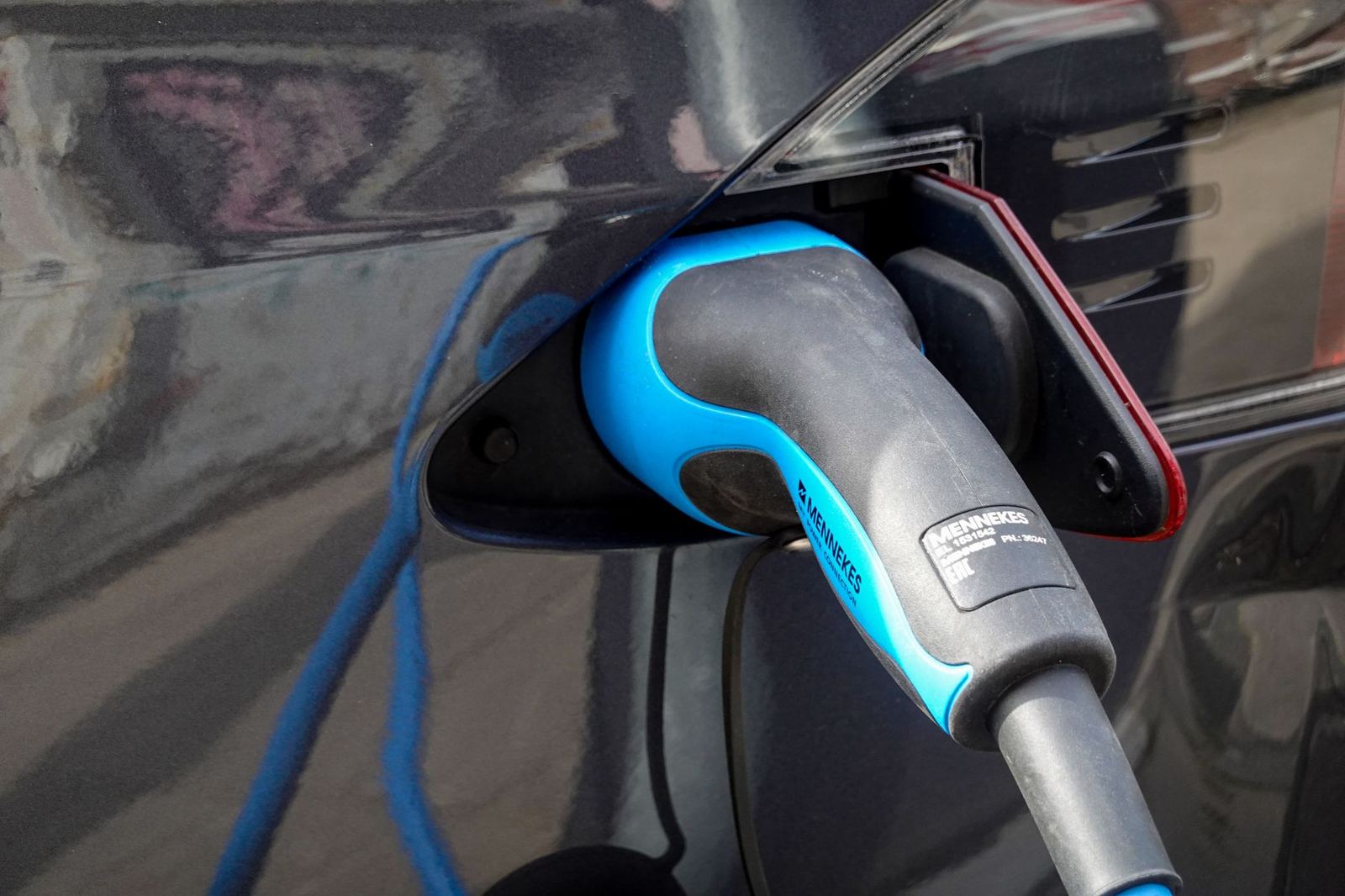
A battery electric vehicle (BEV) uses only electricity and must be plugged in, per fueleconomy.gov. The Union of Concerned Scientists notes these cars have no gasoline engine, have longer electric ranges than PHEVs and never produce tailpipe emissions.
Range and charging compared
Range is where the three types differ most.
- Hybrid: no plug and no electric-only range to plan around, since it is fuelled with gasoline only.
- Plug-in hybrid: the Alternative Fuels Data Center says PHEVs can typically go 15-60 miles on battery power alone, then the engine takes over.
- Battery electric: the same guide says BEVs can typically go between 110 and over 300 miles on a single charge.
Short electric ranges matter less than they sound. In a Union of Concerned Scientists survey, 54 percent of respondents reported driving less than 40 miles a day, as the UCS comparison reports.
Charging speed depends on the outlet. For a plug-in hybrid, a 120-volt household outlet can take several hours, while a 240-volt home or public charger can take about 1 to 4 hours, according to fueleconomy.gov. A fast charge to 80% capacity may take as little as 30 minutes.
Real-world range shifts with driving conditions, driving habits, battery size and climate controls, so treat every quoted range as a guide rather than a promise.
Price and running costs
A plug-in hybrid can cost roughly $4 to $8 thousand more than a comparable non-plug-in hybrid, per fueleconomy.gov. The same page says fuel savings may or may not offset that cost, and the result depends on four things:
- the vehicle itself
- the share of miles driven on electricity
- fuel costs
- how long you keep the car
Plug-in hybrids use roughly 30% to 60% less petroleum than conventional vehicles, according to that page. Using electricity is usually cheaper than gasoline, sometimes much cheaper.
For all-electric cars, the Alternative Fuels Data Center’s August 2023 guide put suggested retail prices at about $28,000 and up. It also estimated about $6 to drive 200 miles at a nationwide average. If you want a home-charging estimate, the guide on how much does it cost to charge an electric car at home walks through the sums.
Upkeep differs too. Because PHEVs have a conventional engine, their maintenance needs are similar to those of conventional vehicles, while BEVs have fewer moving parts and fluids to change, per the same AFDC guide. It adds that a battery warranty typically covers 8 years/100,000 miles, and expected battery lifetime is 12-15 years under normal operating conditions.
Which type fits the way you drive?
Match the car to your routine rather than to the headline range. These rules of thumb follow from the figures above:
- Choose a hybrid if you cannot charge at home or work and want better fuel economy without changing habits.
- Choose a plug-in hybrid if you can charge regularly, most daily trips fit inside the electric range, and you still want an engine for long journeys.
- Choose a battery electric car if you can charge reliably and want no engine, no gasoline and no tailpipe emissions.
A plug-in hybrid that is never plugged in gives up much of its advantage. If charging will be a chore, a plain hybrid may suit you better.
Frequently asked questions
Can a plug-in hybrid run without being plugged in?
Show answer
Yes. Fueleconomy.gov says these vehicles can be fueled solely with gasoline, but they will not achieve maximum range or fuel economy without charging.
Does a regular hybrid ever need charging?
Show answer
No. A regular hybrid is fuelled with gasoline only and cannot be plugged in, according to fueleconomy.gov. Its battery is topped up by braking energy.
Is an extended-range electric vehicle the same as a plug-in hybrid?
Show answer
It is a type of one. Fueleconomy.gov says some plug-in hybrids are called extended range electric vehicles (EREVs), which are the series type where only the motor drives the wheels.
Which needs less maintenance, a PHEV or a BEV?
Show answer
A BEV, generally. The Alternative Fuels Data Center says BEVs have fewer moving parts and fluids to change, while PHEV maintenance is similar to that of conventional vehicles.