Hearing “OEM” from a mechanic or in the news and unsure what it covers? What is an OEM in the automotive industry? It is usually the maker of the complete vehicle, while suppliers build many of its parts.
This explainer sits within our wider coverage of the automotive industry, and it focuses on one term that causes a lot of confusion.
| Item | Value |
|---|---|
| OEM stands for | Original Equipment Manufacturer |
| Usual automotive meaning | The manufacturer of a complete vehicle |
| OE supplier | Produces components or systems for a vehicle’s original equipment |
| OEM parts | Generally sold under the vehicle manufacturer’s brand |
| Aftermarket parts | Made for the replacement market and sold outside the vehicle manufacturer’s distribution network |
These definitions come from Prodexa’s OEM glossary and Wikipedia’s OEM entry. Usage differs by market and by source, so check the sources before you rely on the wording.
What an OEM is in the car industry
In carmaking, an original equipment manufacturer is usually the company that builds and sells the finished vehicle. Prodexa describes an OEM as a company that develops or produces an end product sold under its own name or brand.
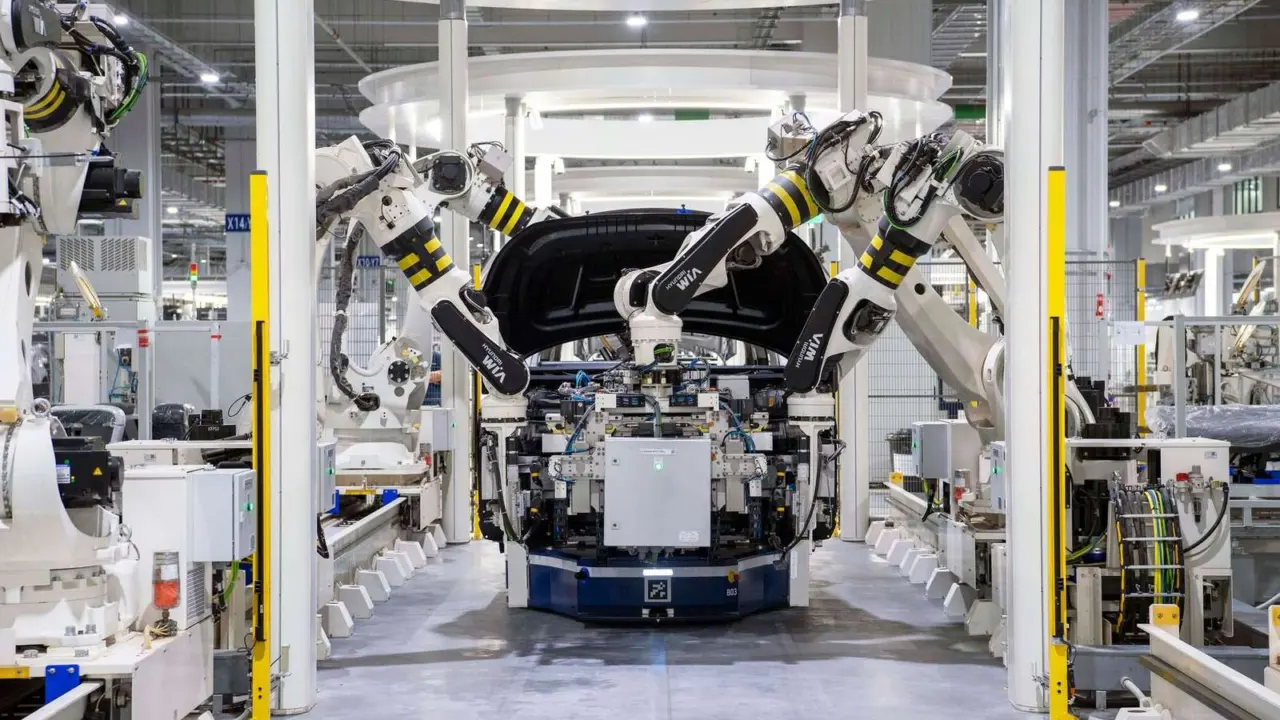
Automotive OEMs define the technical requirements for their vehicles, integrate the individual components and bring the finished vehicles to market. The components themselves may be made by the OEM or sourced from specialised suppliers.
The label is not limited to everyday passenger cars. The same source lists these vehicle types:
- Passenger cars and commercial vehicles
- Motorcycles
- Buses
- Agricultural vehicles
- Construction and special-purpose vehicles
What OEMs do and what suppliers make
An automotive OEM is responsible for the development, production and marketing of vehicles, according to Prodexa. That does not mean it makes every part itself.
Driv Parts notes that the manufacturers that make vehicles today very often do not make many of the parts they use to assemble them. Car makers buy from a large network of component manufacturers who design and make parts to the car companies’ specifications.
Typical components that specialised suppliers develop and build include:
- Engine and transmission parts
- Brake and chassis components
- Electrical and electronic systems
- Lighting systems
- Filters and sensors
- Interior components
- Body and exterior parts
The vehicle manufacturer then tests the supplied components, integrates them into the vehicle and markets them as part of the finished product, per the same Prodexa glossary.
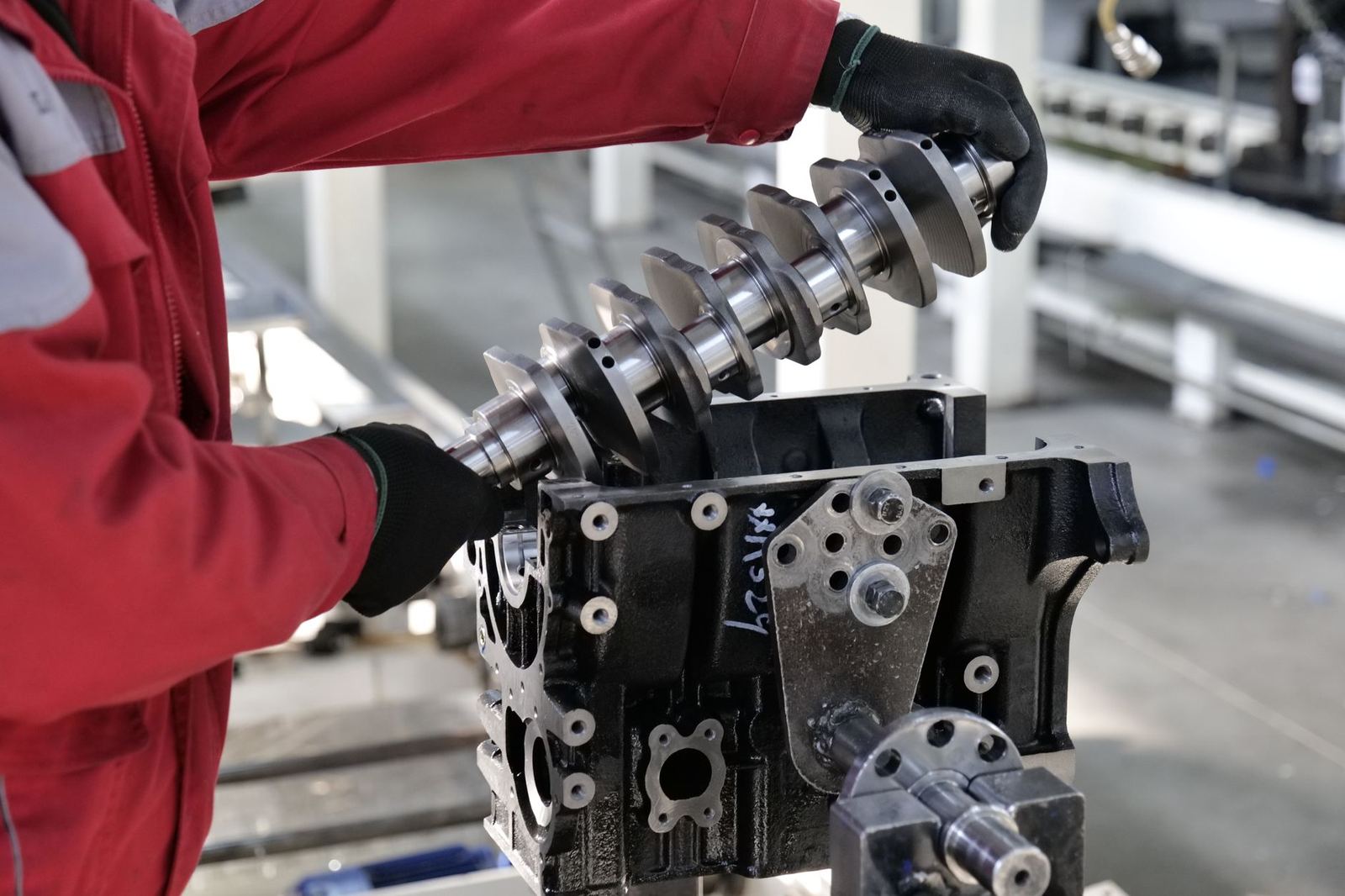
In practice, the badge on the car and the maker of a given part can be different companies. That gap is the source of most OEM confusion.
How OEMs differ from OE suppliers
The terms OEM and OE supplier are often confused. In the automotive industry the OEM is generally the manufacturer of the complete vehicle, while an OE supplier produces components or systems for the original equipment of a vehicle.
For example, a supplier may develop and manufacture a braking system, headlight or sensor to the vehicle manufacturer’s specifications. The supplier is part of the original equipment supply chain but is not automatically a vehicle OEM, as Prodexa explains.
The explainer on what is a tier 1 automotive supplier is a useful next read on the supplier side. For the wider flow of parts and vehicles, the guide on how does the automotive supply chain work is a helpful companion.
Are OEM, OE and aftermarket parts the same?
No, although the labels overlap. Prodexa separates three terms used in the replacement parts market:
- OEM parts: generally sold under the vehicle manufacturer’s brand and intended for specific vehicles.
- OE parts: come from a manufacturer that produces components for the original equipment of vehicles, and may be sold under the supplier’s own brand.
- Aftermarket parts: made for the replacement parts market and sold outside the vehicle manufacturer’s distribution network.
Wikipedia gives a concrete example. If Ford used Autolite spark plugs, Exide batteries, Bosch fuel injectors and Ford’s own engine blocks and heads when building a car, car restorers and collectors consider those OEM parts.
The same entry adds that any given brand of part can be OEM on some vehicle models and aftermarket on others. In some cases, vehicle manufacturers secure exclusive sales rights for specific components, so the contracted suppliers are not permitted to sell them independently under their own name.
Driv Parts adds that OEM parts may or may not be sold in packaging that carries the car maker’s brand name and logo. On quality, it cites Edmunds as saying that today’s aftermarket parts may be as good as, or better than, OEM parts, while generic aftermarket parts without a known brand name were very unpopular with professional technicians because of unpredictable quality.
Why the term OEM is ambiguous
Outside the car world, Wikipedia defines an OEM as a company that produces parts and equipment that may be marketed by another company. It also states that the term is ambiguous, with several common usages.
According to the same entry, an OEM can be any of these:
- The maker of a system that includes other companies’ subsystems
- An end-product producer
- An automotive part manufactured by the same company that produced the original part used in the automobile’s assembly
- A value-added reseller
iSixSigma uses the parts-focused meaning: a company that produces parts or components that another company uses in making its products. That is why a general manufacturing glossary and a car-focused one can describe the same word from opposite ends of the supply chain.
You may also see OEM mixed up with other acronyms. Wikipedia says it is sometimes used interchangeably with original design manufacturer (ODM) and original brand manufacturer (OBM), and iSixSigma defines an ODM as a company that designs and manufactures products sold under another company’s brand name.
How to check a part’s origin before you buy
Because the terms OEM part, original part and OE part may be used differently depending on the market and supplier, Prodexa suggests checking the details rather than the label. Ask these questions in order:
- Who manufactured the component, and under which brand is it sold?
- Was it produced for original equipment?
- Does it meet the vehicle manufacturer’s specifications?
- Through which distribution channel is it offered?
Part numbers help too. Vehicle manufacturers use their own part numbers to identify components, and these OEM or OE numbers support identifying vehicle parts, assigning replacement parts to vehicles, finding suitable alternatives, comparing manufacturer and aftermarket articles, and preventing incorrect orders.
For a specific repair, Driv Parts encourages you to consult a certified technician or mechanic. This article is general education, not repair advice.
Frequently asked questions
Is an automotive OEM the same as a car brand?
Show answer
Usually the OEM is the manufacturer of the complete vehicle, which develops or produces an end product sold under its own name or brand, according to Prodexa.
Are OEM parts always made by the car maker?
Show answer
No. Driv Parts says OEM parts may in fact be made by a component manufacturer, and Prodexa notes that OEM-branded replacement parts may be produced by the OEM itself or by an authorised OE supplier.
Are aftermarket parts always worse than OEM parts?
Show answer
Not necessarily. Prodexa says quality, design and price vary by manufacturer and product, and Driv Parts cites Edmunds as saying some aftermarket parts may be as good as, or better than, OEM parts.
What is the difference between an OEM and an ODM?
Show answer
iSixSigma describes an ODM as a company that designs and manufactures products sold under another company’s brand name. Wikipedia notes that OEM is sometimes used interchangeably with ODM, so context matters.