Trying to work out what is a tier 1 automotive supplier? You are looking at a company that sells systems or major components directly to the carmaker. Tier 2 and Tier 3 sit further down the chain.
This explainer is part of the wider coverage of the automotive industry on this site.
| Item | Value |
|---|---|
| Tier 1 customer | The OEM (sells directly to the carmaker) |
| Tier 2 customer | Tier 1 suppliers |
| Tier 3 typical supply | Raw materials and foundational inputs |
| Parts in a modern car | Around 30,000 parts |
| Share of vehicle value that can come from suppliers | More than half |
The figures come from LightSource and Infor. They can change, so check the source before you rely on them.
How the supplier pyramid works
The automotive supply chain is usually drawn as a pyramid with the carmaker, or OEM, at the top. According to LightSource, tier 1 suppliers sell directly to the OEM, tier 2 suppliers sell to tier 1s, and tier 3 suppliers sell to tier 2s, often providing raw materials.
The scale of a vehicle explains why the layers exist. Today’s cars consist of around 30,000 parts, and Infor says more than half of a vehicle’s total value can come from suppliers rather than the final assembler.
The three layers break down like this:
- OEM: the automaker that designs, builds and brands the vehicle.
- Tier 1: delivers complete systems or major components straight to the OEM.
- Tier 2: supplies the specialised parts, electronics and software that Tier 1s build into those systems.
- Tier 3: supplies raw materials and basic parts further upstream.
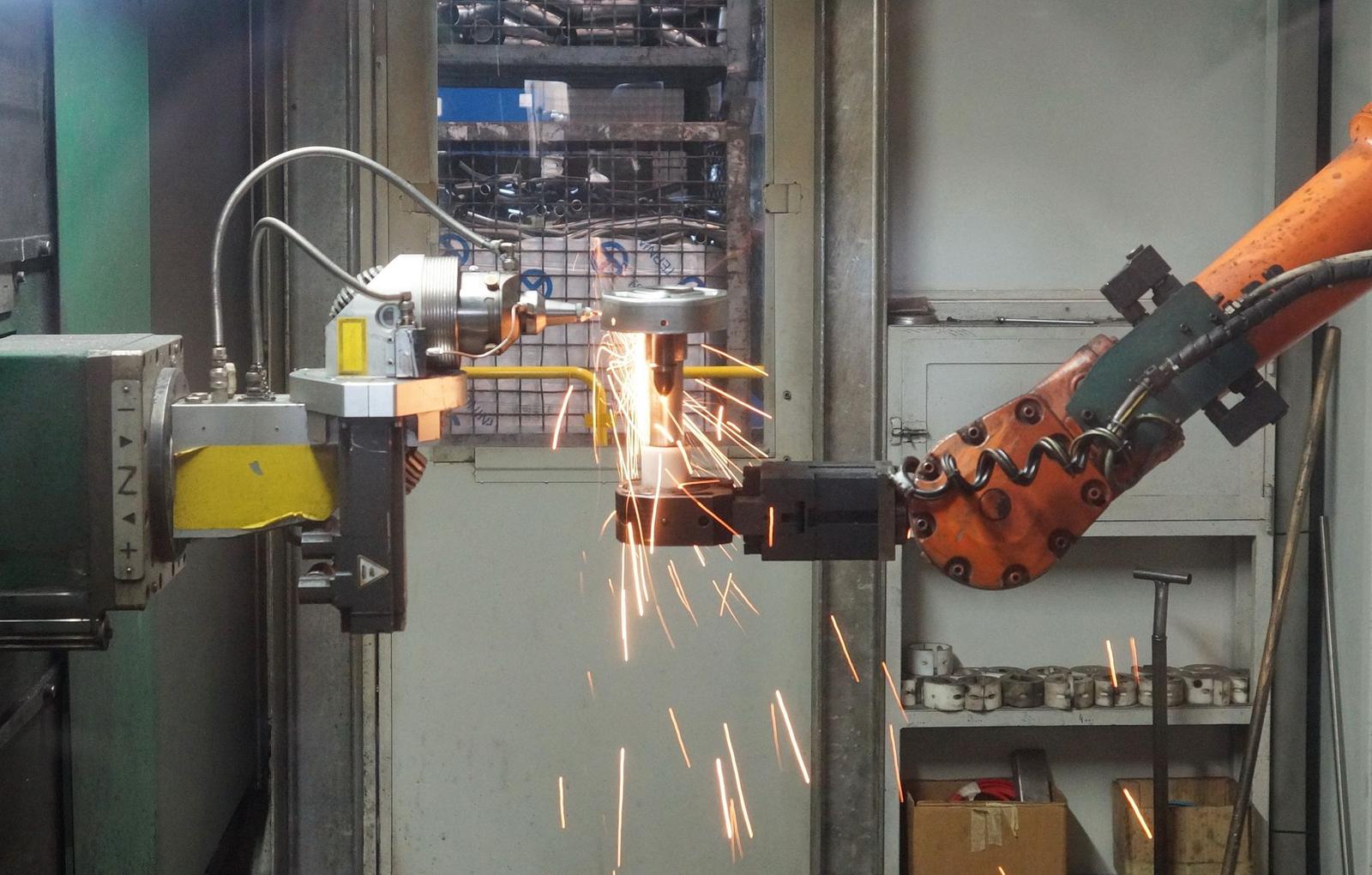
A supplier, in the wider sense, is any company whose goods are used in building a car or become part of it. ETMM notes those goods can be individual components, such as screws, or entire assemblies, such as pre-assembled door modules.
For a closer look at the carmakers at the top, see what is an OEM in the automotive industry.
What a Tier 1 supplier actually does
A Tier 1 supplier manufactures large vehicle systems or complex components and delivers them directly to OEMs, according to Smart Eye. Typical examples are powertrains, braking systems, infotainment units and driver assistance systems.
The same Smart Eye post, dated June 2025, names these companies as Tier 1 examples:
- Bosch, for electronics and driver assistance.
- Magna, for chassis and body systems.
- Continental, for ADAS and braking systems.
- ZF, for transmissions and mobility tech.
- Denso, for powertrain and cabin electronics.
Tier 1 work is not only about assembly. Infor describes the tiered network as involved in product design, engineering and sub-assembly as well as production.
Tier 1s also act as integrators. Smart Eye says they often integrate components from Tier 2 suppliers into fully assembled systems before delivering them to automakers.
Winning that spot comes early. A design win secures a place for a supplier’s product in an upcoming vehicle model, but Smart Eye stresses it is just one step, with volume orders coming only once the vehicle moves into production. For the bigger timeline, the question of how long does it take to develop a new car is covered separately.
Tier 2 and Tier 3 suppliers: what sits below
Tier 2 suppliers provide specialised components, electronics and software that Tier 1s use to build complete systems. Smart Eye says they traditionally do not work directly with OEMs, and it lists Infineon and NXP for chips and Murata for sensors as examples.
Tier 2 is also where much of the metalwork happens. Nexdigm lists castings, forgings, machined parts, fasteners, electrical sub-components and engineered plastics among the products behind many Tier 1 suppliers.
Smaller firms matter in this layer. A 2025 SIDBI sector analysis, cited by Nexdigm, estimated that MSMEs account for approximately 29-32% of the automotive component industry’s turnover.
At the base, Tier 3 suppliers provide raw materials and foundational components used by Tier 2 suppliers to make specialised parts. Smart Eye gives these examples:
- ArcelorMittal, for steel and metal production.
- BASF, for plastics and chemical materials.
- Corning, for automotive glass.
- Sumitomo Electric, for automotive wiring.
Two worked examples from LightSource show the pattern. In a battery pack, the pack assembler is tier 1, the cell maker tier 2 and the cathode-material producer tier 3; for a seat, the seat supplier is tier 1, the frame maker tier 2 and the steel mill tier 3.
Is a lower tier less important?
No. The tier number reflects contractual distance, not importance, and LightSource points out that a tier 3 resin or chip supplier can halt an OEM’s production line.
The chip shortage shows how this plays out. The shortage that idled automotive assembly lines starting in 2020 came from parts most OEMs had never bought directly, because the silicon entered the chain three or four tiers upstream, as LightSource describes it.
Contracts usually reach one tier down while risk reaches the bottom. That is why buyers map their sub-tier suppliers, and LightSource says good teams map the critical 10-20% of the bill of materials deeply rather than everything thinly.
A company can also sit in more than one place. The same source says the map is program-specific, so one company can sit in the first tier on one platform and the third tier on another, while ETMM notes suppliers at the bottom of the hierarchy can skip levels and supply the OEM directly.
How software is blurring the tiers
The traditional OEM, Tier 1, Tier 2 and Tier 3 structure still defines the industry, according to Smart Eye’s June 2025 post. But it adds that software suppliers, once strictly Tier 2, are now acting as Tier 1s in some cases.
The reason is that some OEMs source operating systems, AI-driven assistance technology and cloud services directly from software firms, bypassing traditional hardware suppliers. That is a shift to watch as vehicles become more software-driven.
To place any supplier on the pyramid, work through these steps:
- Pick one vehicle program and one finished product, such as a seat or a battery pack.
- Find who invoices the OEM directly for it; that company is Tier 1.
- Follow the invoices down: whoever supplies the Tier 1 is Tier 2, and whoever supplies that company is Tier 3.
- Repeat for each product, because Nexdigm says position should be identified at the product and customer-relationship level, not by company size.
Frequently asked questions
What is a tier 1 automotive supplier in simple terms?
Show answer
It is a company that supplies systems or major components directly to a vehicle manufacturer, the OEM. Examples named by Smart Eye include Bosch, Magna, Continental, ZF and Denso.
Is a Tier 1 supplier more important than a Tier 3 supplier?
Show answer
Not necessarily. The tier number tracks who sells to whom, not how critical the part is, and a low-tier resin or chip supplier can stop an OEM’s line.
Can the same company be in different tiers?
Show answer
Yes. Tier position depends on the program and the customer relationship, so one company can be Tier 1 for one product and Tier 2 or Tier 3 for another.
Can a lower-tier supplier sell straight to an OEM?
Show answer
Yes. ETMM notes that suppliers at the bottom of the hierarchy can skip levels and supply the manufacturer directly.